All Categories
Featured
Regulation as Chance: The Silver Lining of 2026 Compliance
Measuring Digital Progress: A New Model for Mid-Market Firms


Measuring Digital Progress: A New Model for Mid-Market Firms
Table of Contents
- – Executive Priorities for International Growth ...
- – Data-Driven Choice Making and Market Entry
- – Adapting to Regional Regulatory Standards
- – The Human Component of Global Management
- – Cultivating a Culture of Dexterity
- – Strategic Collaborations and Alliances
- – Browsing Geopolitical Shifts
- – Financial Stewardship and Capital Allowance
- – Determining Success in New Markets
- – Visionary Leadership for the Future

Executive Priorities for International Growth in 2026
The function of the president has actually moved substantially as 2026 advances, moving away from oversight of internal operations towards a heavy focus on external growth. For UK firms, growth is no longer a choice but a necessity for survival in an extremely integrated worldwide market. These leaders now invest over half of their time working out trade terms and identifying particular passages for growth in regions like Southeast Asia and North America. The 2026 financial environment requires that a CEO be more than a supervisor. They must be a strategist who comprehends the minute information of foreign guideline and regional consumer practices.
Success in 2026 depends on the capability to interpret real-time information. CEOs are moving far from standard quarterly reviews, rather utilizing live control panels that track currency fluctuations, supply chain health, and consumer belief across various time zones. This shift enables them to make fast decisions about whether to increase investment in a specific international hub or draw back when market conditions sour. The speed of decision-making has ended up being a primary differentiator in between companies that scale and those that stagnate.
Data-Driven Choice Making and Market Entry
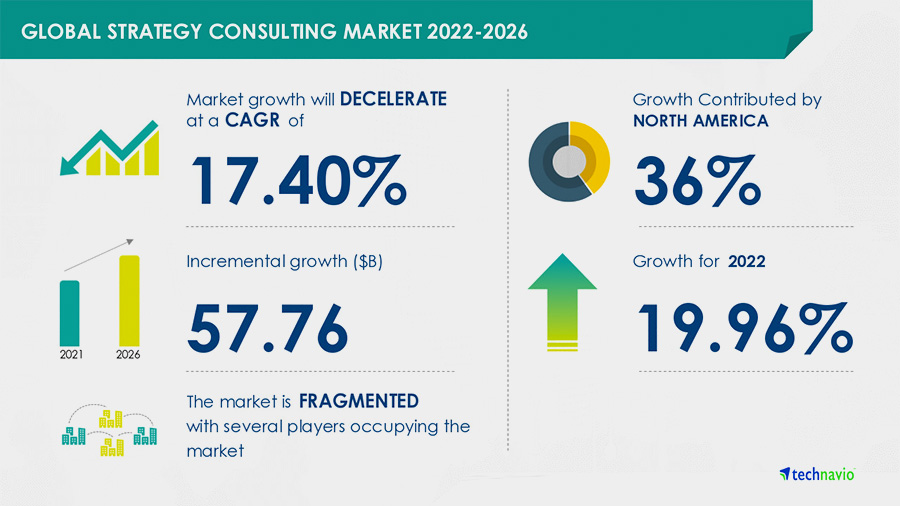
Modern expansion strategies rely on predictive modeling that was speculative simply a few years earlier. By mid-2026, executives are utilizing advanced tools to mimic market entry before a single pound is invested. These simulations account for regional labor costs, energy prices, and the prospective impact of logistics management on the bottom line. The CEO manages these information streams to guarantee that the vision for the firm matches the truth of the numbers.
Financial investment in Digital Communication Markets provides the essential structure for these technological shifts. When a CEO dedicates to a brand-new area, they must make sure the facilities supports the growth. This involves picking partners who comprehend the regional nuances of the urban market while keeping the core requirements of the moms and dad business. The balance in between worldwide consistency and regional adaptation is often the hardest part of the task. CEOs who master this balance tend to see faster returns on their global financial investments.
Adapting to Regional Regulatory Standards
Compliance has become a top-tier issue for leadership in 2026. With the intro of new trade arrangements and environmental requirements, CEOs need to browse an intricate web of guidelines that differ by nation. In the past, this was a job for the legal department, today the primary executive needs to lead the conversation on corporate obligation. Failure to adhere to regional laws in European territories can lead to heavy fines and long-term damage to the brand credibility. The CEO works carefully with local regulators to guarantee that the growth is sustainable and legal.
This focus on compliance also extends to digital personal privacy and data security. As UK companies broaden into brand-new regions, they should manage the personal details of thousands of new consumers. The CEO is responsible for setting the tone for how this data is secured. By prioritizing openness, they develop trust with new audiences, which is essential for long-term growth in any professional industry.
The Human Component of Global Management
Regardless of the reliance on data, the human component remains main to growth in 2026. A CEO must develop a leadership group that reflects the diversity of the markets they intend to enter. This suggests hiring regional talent in regional centers who can supply insights that a computer might miss out on. These local leaders bridge the space in between the corporate workplace in the UK and the reality of the ground-level operations.
Handling a global workforce needs a shift in interaction designs. In 2026, CEOs utilize virtual reality and advanced telepresence to maintain an existence in satellite offices without the need for continuous travel. This assists in preserving company culture across continents. The primary executive ensures that every employee, whether in London or an emerging market, comprehends the core mission of the company. Clear communication decreases friction and makes sure that the growth efforts are not undermined by internal confusion.
Cultivating a Culture of Dexterity
Agility is the specifying quality of a successful 2026 company. The CEO encourages a frame of mind where failure is viewed as a source of details instead of a catastrophe. When an item launch in a foreign capital does not go as planned, the executive team examines the results and pivots quickly. This determination to adapt is what permits UK firms to complete with larger, more established players in the worldwide market. The CEO leads by example, revealing that versatility is a strength, not a sign of weakness.
Training and advancement are also part of this agile culture. The CEO assigns resources to make sure that the workforce has the skills needed to deal with new technologies and market needs. By concentrating on Digital Communication Markets, the company prepares its personnel for the obstacles of a broadened footprint. This investment in people pays off through increased efficiency and higher staff member retention rates during the shift period.
Strategic Collaborations and Alliances
No firm can expand in a vacuum in 2026. CEOs are progressively trying to find tactical alliances that can offer a shortcut into brand-new markets. These partnerships may involve joint ventures with regional companies in the designated territory or partnerships with innovation service providers that use specialized support. The CEO determines these chances and works out the terms to guarantee they align with the company's long-lasting objectives.
These alliances are especially crucial in sectors where the cost of entry is high. By sharing the risk with a partner, the CEO can check out numerous markets concurrently without overextending the firm's financial resources. This technique has ended up being a basic part of the 2026 expansion playbook. It enables a more diversified portfolio and reduces the effect of a recession in any single area.
Browsing Geopolitical Shifts
The geopolitical situation in 2026 is fluid, requiring continuous attention from the top. Trade stress, shifts in federal government policy, and changes in worldwide law can all impact the success of a growth method. The CEO monitors these developments carefully, often dealing with political specialists to expect changes before they take place. This proactive technique permits the company to adjust its strategy in the global theater before a crisis occurs.
Energy security and supply chain stability are likewise major geopolitical concerns. CEOs are diversifying their providers to avoid being reliant on a single source or region. This resilience is a key part of the 2026 expansion strategy. The executive team makes sure that the firm can continue to operate even if a significant trade path is interfered with or energy prices surge in the operational area.
Financial Stewardship and Capital Allowance
Expanding a company is expensive, and the CEO is the supreme guardian of the company's capital. In 2026, monetary preparation includes balancing the requirement for growth with the need of maintaining a strong balance sheet. The chief executive works with the financial group to secure financing for expansion, whether through private equity, business bonds, or reinvested profits. They need to validate these expenses to investors by showing a clear course to success in the target region.
The allotment of resources is a consistent balancing act. The CEO needs to decide how much to purchase brand-new markets versus how much to invest in keeping the core business in the UK. This needs a deep understanding of the firm's competitive benefits and the prospective dangers of every new venture. In 2026, the focus is on sustainable development that supplies long-term worth rather than short-term gains.
Determining Success in New Markets
How a CEO defines success has changed. While earnings remains crucial, other metrics are acquiring prominence in 2026. These include market share, brand awareness, and client loyalty in brand-new territories like the expanding region. The CEO also looks at environmental and social impact, as these aspects progressively affect financier decisions and consumer habits. An effective growth is one that benefits both the business and the regional neighborhood it gets in.
Regular evaluations of these metrics enable the CEO to tweak the expansion technique. If a particular branch in the local market is underperforming, the executive group investigates the cause and takes restorative action. This may involve changing the regional management or adjusting the primary product line to better match local tastes. The goal is always to create a self-sufficient operation that adds to the overall health of the worldwide firm.
Visionary Leadership for the Future
As 2026 draws to a close, the function of the CEO continues to develop. The ability to see beyond the existing quarter and envision the state of the marketplace in the years to come is what separates good leaders from excellent ones. Expansion is a marathon, not a sprint. The president offers the vision and the endurance required to see the process through to the end. They inspire their groups to look past the instant difficulties and concentrate on the opportunities that an international presence brings.
The lessons learned throughout 2026 will shape corporate strategy for the rest of the decade. By embracing data, focusing on compliance, and focusing on human talent, CEOs are developing resistant companies that can prosper in any environment. The growth into new markets is simply the beginning of a bigger shift in how UK firms run. With the right management at the helm, the future of worldwide organization looks promising for those ready to take the calculated dangers necessary for development.

Table of Contents
- – Executive Priorities for International Growth ...
- – Data-Driven Choice Making and Market Entry
- – Adapting to Regional Regulatory Standards
- – The Human Component of Global Management
- – Cultivating a Culture of Dexterity
- – Strategic Collaborations and Alliances
- – Browsing Geopolitical Shifts
- – Financial Stewardship and Capital Allowance
- – Determining Success in New Markets
- – Visionary Leadership for the Future
Latest Posts
Regulation as Chance: The Silver Lining of 2026 Compliance
Measuring Digital Progress: A New Model for Mid-Market Firms

How CEOs Can Foster a Culture of Global Innovation
Latest Posts
Regulation as Chance: The Silver Lining of 2026 Compliance
Measuring Digital Progress: A New Model for Mid-Market Firms
How CEOs Can Foster a Culture of Global Innovation