All Categories
Featured
Table of Contents
- – Executive Priorities for International Growth ...
- – Data-Driven Choice Making and Market Entry
- – Adjusting to Regional Regulatory Standards
- – The Human Element of Worldwide Management
- – Fostering a Culture of Dexterity
- – Strategic Partnerships and Alliances
- – Navigating Geopolitical Shifts
- – Financial Stewardship and Capital Allotment
- – Measuring Success in New Markets
- – Visionary Management for the Future

Executive Priorities for International Growth in 2026
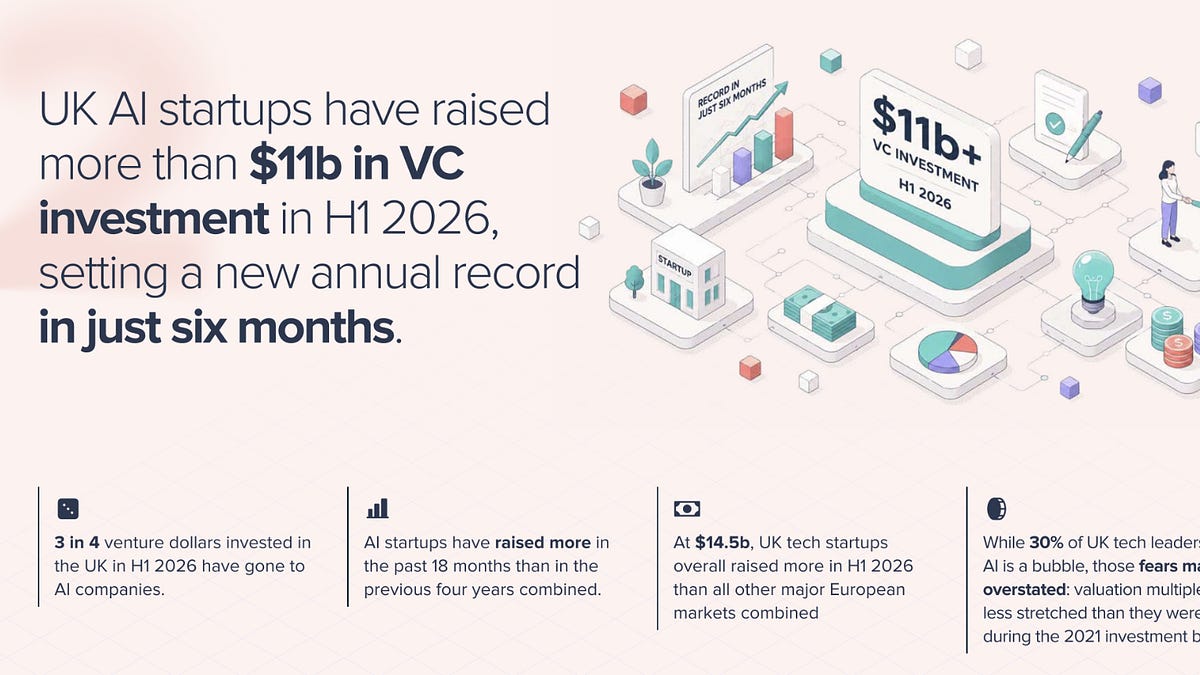
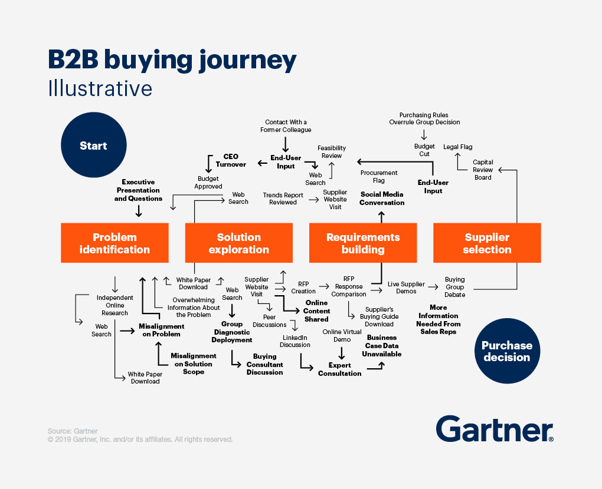
The function of the primary executive has shifted substantially as 2026 progresses, moving far from oversight of internal operations toward a heavy concentrate on external development. For UK firms, growth is no longer an option but a need for survival in an extremely incorporated international market. These leaders now spend over half of their time negotiating trade terms and determining specific corridors for development in regions like Southeast Asia and North America. The 2026 economic environment requires that a CEO be more than a supervisor. They should be a strategist who understands the minute details of foreign guideline and regional consumer practices.
Success in 2026 depends upon the ability to analyze real-time data. CEOs are moving far from conventional quarterly evaluations, rather utilizing live dashboards that track currency changes, supply chain health, and consumer sentiment throughout various time zones. This shift allows them to make quick decisions about whether to increase investment in a specific international hub or pull back when market conditions sour. The speed of decision-making has actually ended up being a primary differentiator in between companies that scale and those that stagnate.
Data-Driven Choice Making and Market Entry
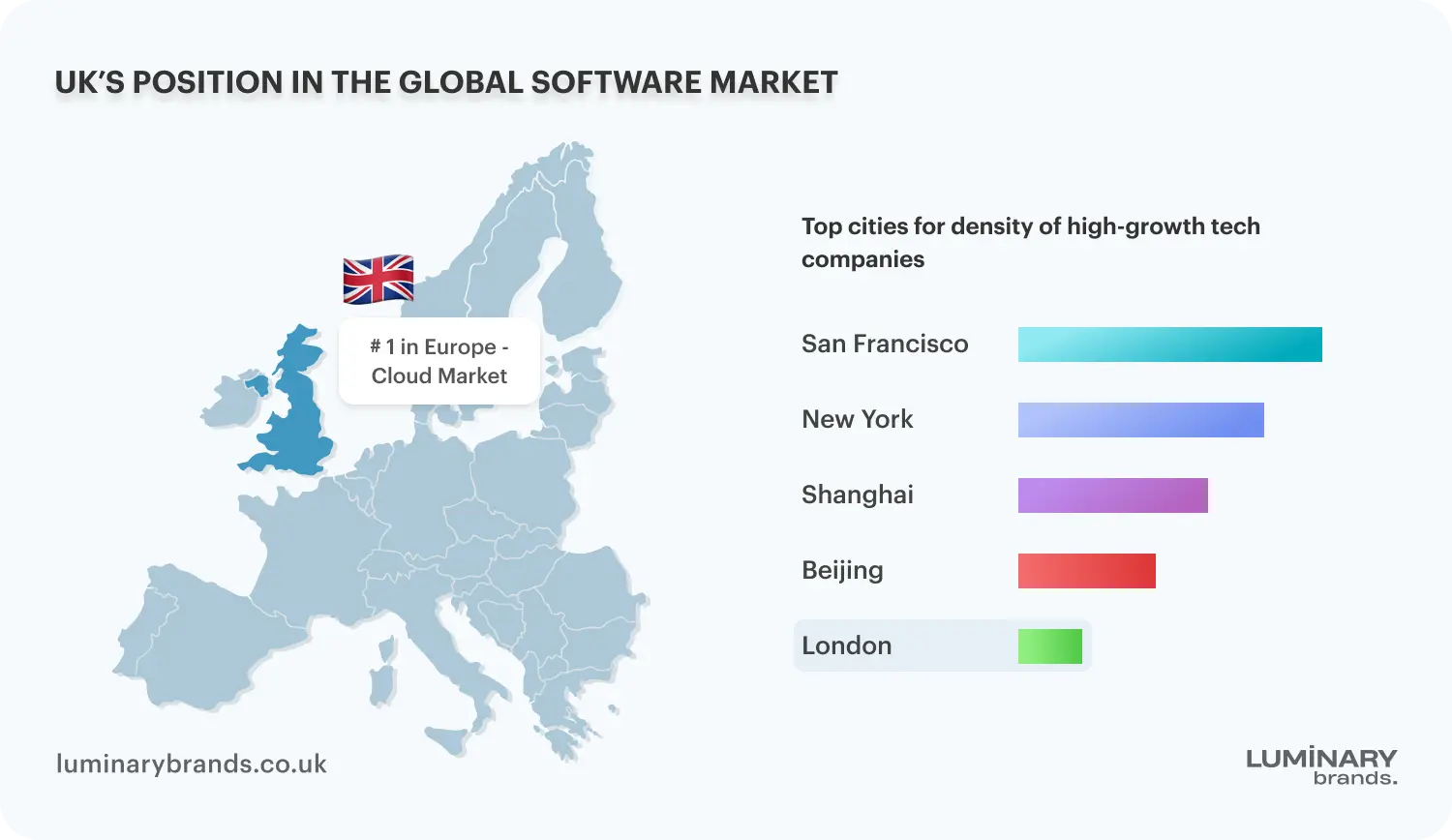
Modern growth methods depend on predictive modeling that was experimental simply a few years back. By mid-2026, executives are using advanced tools to mimic market entry before a single pound is spent. These simulations represent regional labor expenses, energy prices, and the prospective impact of logistics management on the bottom line. The CEO supervises these information streams to ensure that the vision for the firm matches the truth of the numbers.
Investment in Global Talent Acquisition supplies the essential structure for these technological transitions. When a CEO devotes to a brand-new territory, they need to guarantee the infrastructure supports the growth. This involves choosing partners who understand the regional nuances of the urban market while keeping the core standards of the moms and dad company. The balance in between global consistency and regional adaptation is frequently the hardest part of the job. CEOs who master this balance tend to see faster returns on their worldwide financial investments.
Adjusting to Regional Regulatory Standards
Compliance has actually ended up being a top-tier concern for leadership in 2026. With the introduction of new trade agreements and environmental standards, CEOs need to navigate a complicated web of rules that vary by country. In the past, this was a task for the legal department, now the primary executive should lead the conversation on corporate duty. Failure to abide by local laws in European territories can result in heavy fines and long-term damage to the brand credibility. Therefore, the CEO works carefully with regional regulators to make sure that the expansion is sustainable and legal.
This focus on compliance likewise reaches digital privacy and information protection. As UK companies expand into brand-new areas, they must manage the individual information of countless brand-new consumers. The CEO is accountable for setting the tone for how this data is protected. By focusing on openness, they construct trust with new audiences, which is important for long-term growth in any professional industry.
The Human Element of Worldwide Management
In spite of the dependence on data, the human component stays main to growth in 2026. A CEO needs to construct a management group that reflects the variety of the markets they intend to go into. This suggests employing regional skill in regional centers who can offer insights that a computer system might miss. These regional leaders bridge the space between the business workplace in the UK and the truth of the ground-level operations.
Managing an international workforce requires a shift in communication styles. In 2026, CEOs utilize virtual reality and advanced telepresence to maintain a presence in satellite offices without the need for constant travel. This helps in keeping business culture throughout continents. The chief executive makes certain that every worker, whether in London or an emerging market, understands the core objective of the company. Clear communication reduces friction and makes sure that the expansion efforts are not undermined by internal confusion.
Fostering a Culture of Dexterity
Dexterity is the defining characteristic of a successful 2026 firm. The CEO motivates a mindset where failure is seen as a source of info rather than a disaster. When a product launch in a foreign capital does not go as prepared, the executive group evaluates the results and rotates quickly. This desire to adjust is what permits UK companies to take on larger, more recognized players in the global market. The CEO leads by example, showing that flexibility is a strength, not a sign of weak point.
Training and development are also part of this nimble culture. The CEO allocates resources to ensure that the labor force has the abilities required to handle brand-new innovations and market needs. By concentrating on Global Talent Acquisition, the company prepares its personnel for the difficulties of a broadened footprint. This financial investment in individuals pays off through increased efficiency and higher staff member retention rates throughout the transition period.
Strategic Partnerships and Alliances
No company can broaden in a vacuum in 2026. CEOs are significantly searching for tactical alliances that can offer a shortcut into brand-new markets. These partnerships may include joint ventures with local firms in the designated territory or collaborations with technology service providers that offer specialized support. The CEO identifies these chances and works out the terms to guarantee they line up with the company's long-term objectives.
These alliances are especially essential in sectors where the cost of entry is high. By sharing the danger with a partner, the CEO can explore several markets simultaneously without overextending the company's finances. This approach has actually ended up being a standard part of the 2026 expansion playbook. It enables a more diversified portfolio and lowers the effect of a slump in any single area.
Navigating Geopolitical Shifts
The geopolitical scenario in 2026 is fluid, needing constant attention from the top. Trade stress, shifts in federal government policy, and modifications in worldwide law can all impact the success of an expansion strategy. The CEO keeps an eye on these developments closely, typically working with political experts to expect changes before they take place. This proactive approach permits the firm to adjust its strategy in the global theater before a crisis happens.
Energy security and supply chain stability are likewise major geopolitical issues. CEOs are diversifying their providers to avoid depending on a single source or region. This strength is an essential part of the 2026 growth plan. The executive group ensures that the company can continue to run even if a significant trade route is interfered with or energy prices surge in the operational area.
Financial Stewardship and Capital Allotment
Expanding a business is expensive, and the CEO is the ultimate guardian of the business's capital. In 2026, monetary planning includes stabilizing the requirement for development with the need of preserving a strong balance sheet. The chief executive deals with the monetary group to secure funding for growth, whether through personal equity, corporate bonds, or reinvested earnings. They must validate these expenditures to shareholders by revealing a clear course to profitability in the target region.
The allotment of resources is a constant balancing act. The CEO needs to choose just how much to buy new markets versus how much to invest in maintaining the core business in the UK. This needs a deep understanding of the company's competitive benefits and the potential risks of every brand-new venture. In 2026, the focus is on sustainable growth that provides long-term worth instead of short-term gains.
Measuring Success in New Markets
How a CEO specifies success has changed. While revenue remains crucial, other metrics are gaining prominence in 2026. These include market share, brand name awareness, and client commitment in brand-new areas like the expanding region. The CEO also looks at environmental and social effect, as these elements significantly affect financier decisions and consumer habits. An effective expansion is one that benefits both the business and the regional community it gets in.
Routine evaluations of these metrics allow the CEO to tweak the expansion method. If a specific branch in the local market is underperforming, the executive team investigates the cause and takes corrective action. This might include altering the local management or adjusting the primary product line to better suit regional tastes. The objective is constantly to produce a self-sufficient operation that adds to the total health of the international firm.
Visionary Management for the Future
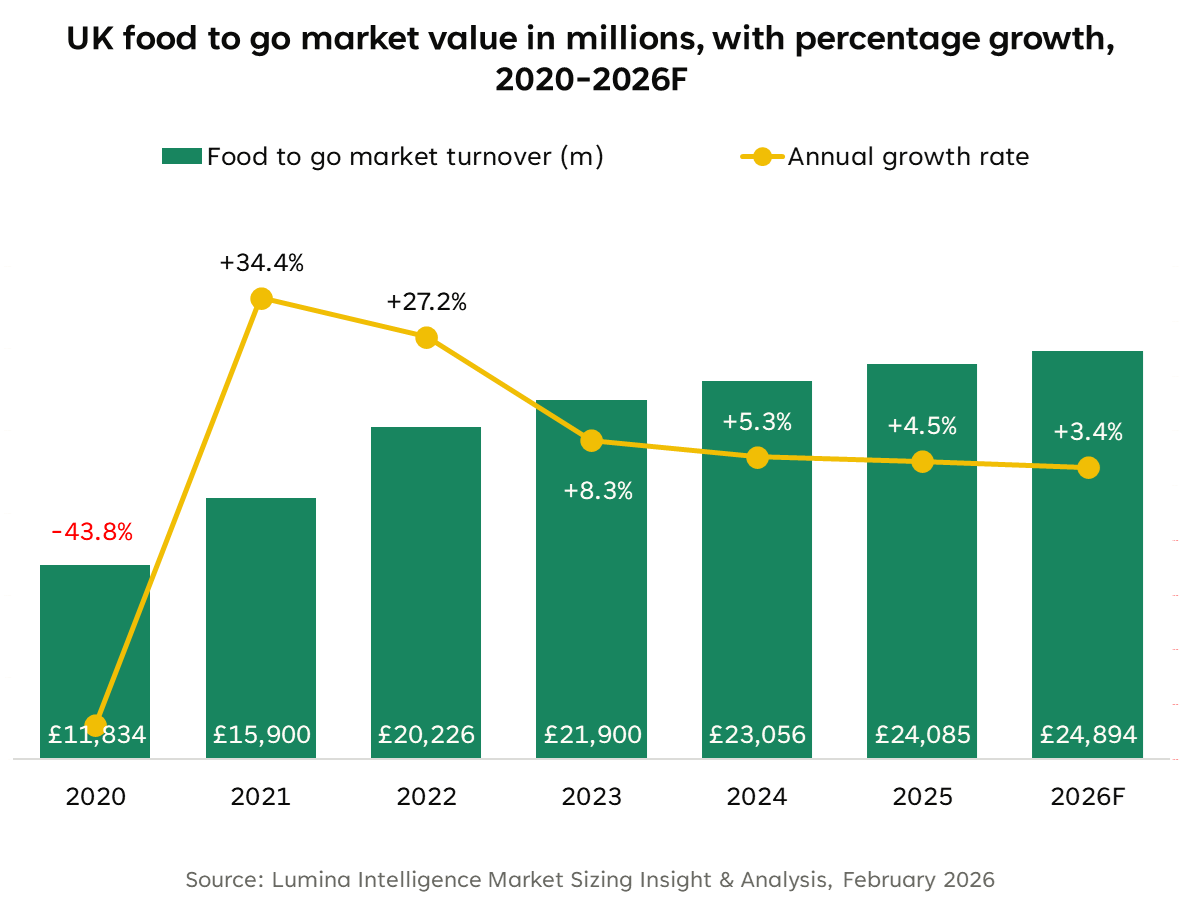
As 2026 wanes, the role of the CEO continues to progress. The capability to see beyond the present quarter and imagine the state of the market in the years to come is what separates excellent leaders from fantastic ones. Expansion is a marathon, not a sprint. The chief executive supplies the vision and the stamina needed to see the procedure through to the end. They inspire their groups to look past the immediate difficulties and concentrate on the opportunities that a global presence brings.
The lessons learned throughout 2026 will shape business method for the rest of the years. By accepting data, prioritizing compliance, and focusing on human skill, CEOs are building durable companies that can prosper in any environment. The expansion into new markets is just the beginning of a bigger shift in how UK companies operate. With the right management at the helm, the future of worldwide company looks assuring for those ready to take the calculated risks essential for development.

Table of Contents
- – Executive Priorities for International Growth ...
- – Data-Driven Choice Making and Market Entry
- – Adjusting to Regional Regulatory Standards
- – The Human Element of Worldwide Management
- – Fostering a Culture of Dexterity
- – Strategic Partnerships and Alliances
- – Navigating Geopolitical Shifts
- – Financial Stewardship and Capital Allotment
- – Measuring Success in New Markets
- – Visionary Management for the Future
Latest Posts
Regulation as Chance: The Silver Lining of 2026 Compliance
Measuring Digital Progress: A New Model for Mid-Market Firms
How CEOs Can Foster a Culture of Global Innovation
Latest Posts
Regulation as Chance: The Silver Lining of 2026 Compliance
Measuring Digital Progress: A New Model for Mid-Market Firms
How CEOs Can Foster a Culture of Global Innovation